Lower back pain
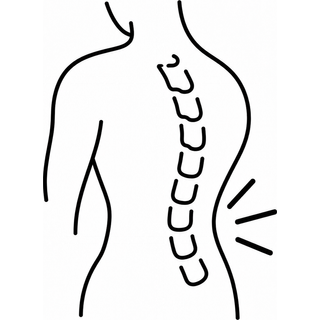 Lower back pain
Persistent or recurring low back pain, stiffness after sitting, and pain that limits bending, lifting or training. Assessment looks at the hips, pelvis and movement patterns above and below the painful area, not just the back itself.

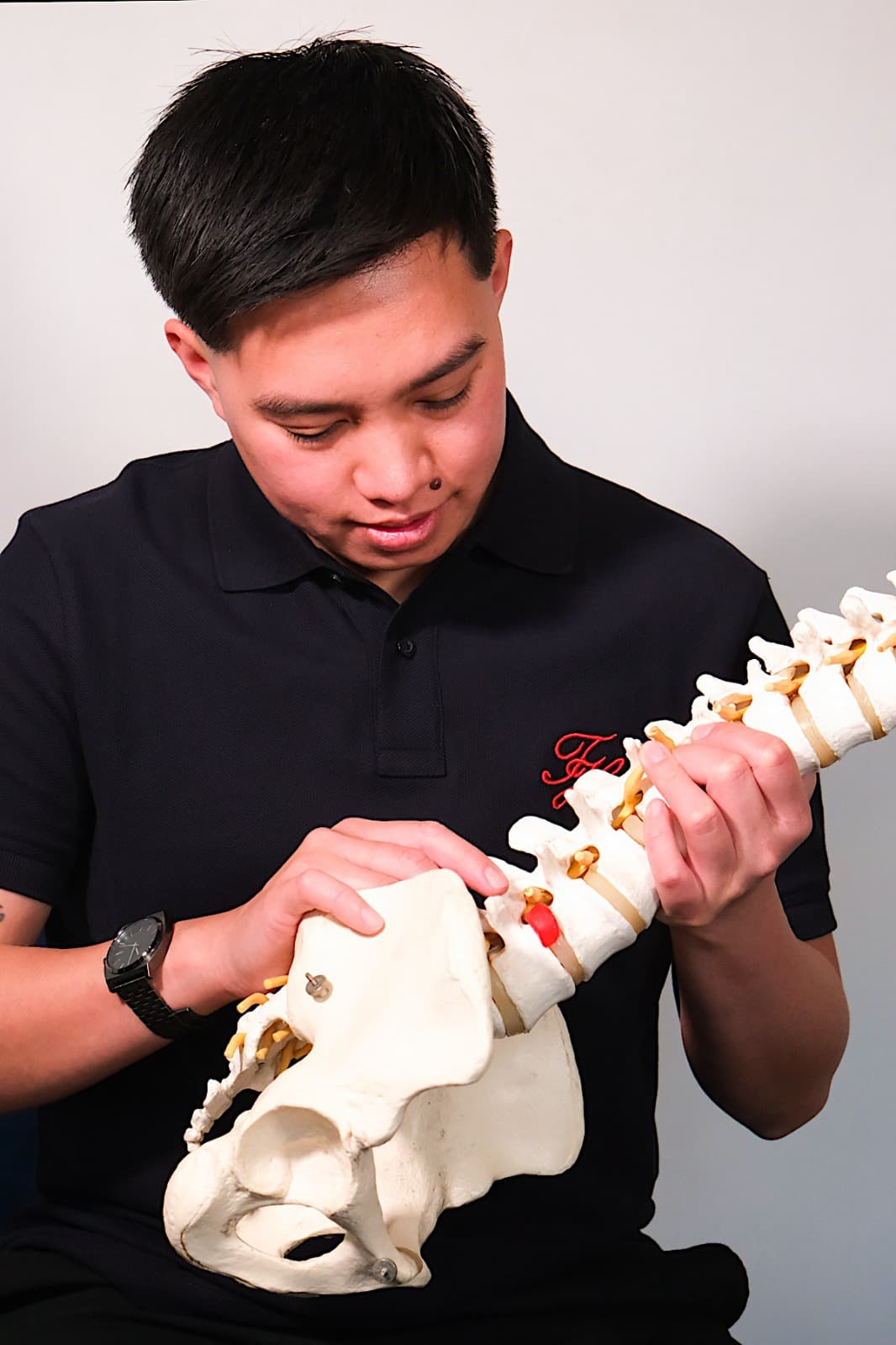
I work with a wide range of musculoskeletal pain, injuries and movement-related concerns, alongside lymphatic and recovery support. If what you're experiencing isn't listed below, that's okay. A thorough assessment will help us better understand your concerns and determine whether my care is appropriate for you.
The five presentations I see most often.
Persistent or recurring low back pain, stiffness after sitting, and pain that limits bending, lifting or training. Assessment looks at the hips, pelvis and movement patterns above and below the painful area, not just the back itself.
Pain, tingling or referral travelling from the low back into the glute, hamstring or calf. Treatment settles the irritated tissue first, then works on the lumbar and hip mobility and strength that keep it from returning.
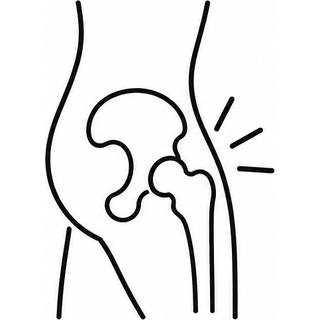
Gluteal tendinopathy, hip impingement, lateral hip pain and deep hip restriction. Often bound up with how you load the leg, so assessment includes gait, single-leg control and the demands of your work or sport.
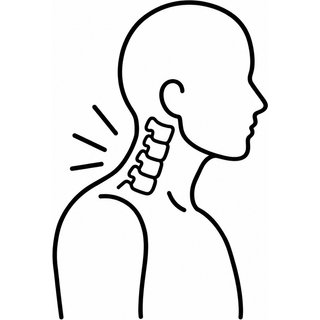
Restricted rotation, desk-related tension through the upper traps, and headaches that start at the base of the skull. Treatment addresses the neck alongside the thoracic spine, shoulders and postural load driving it.
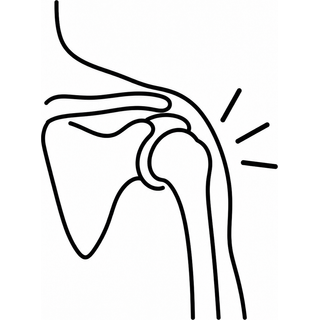
Rotator cuff–related pain, impingement, frozen shoulder and pain with overhead movement. Assessment covers shoulder blade control and thoracic mobility, which frequently drive symptoms felt at the shoulder itself.
Browse the common concerns people seek treatment for, grouped by symptoms and areas of the body.
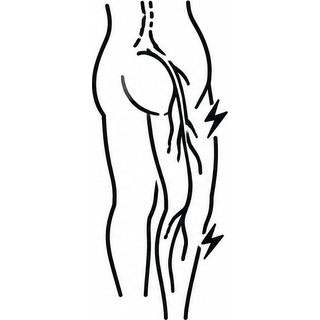 Sciatica & nerve-related pain
 Hip pain
 Neck pain & stiffness
 Shoulder pain