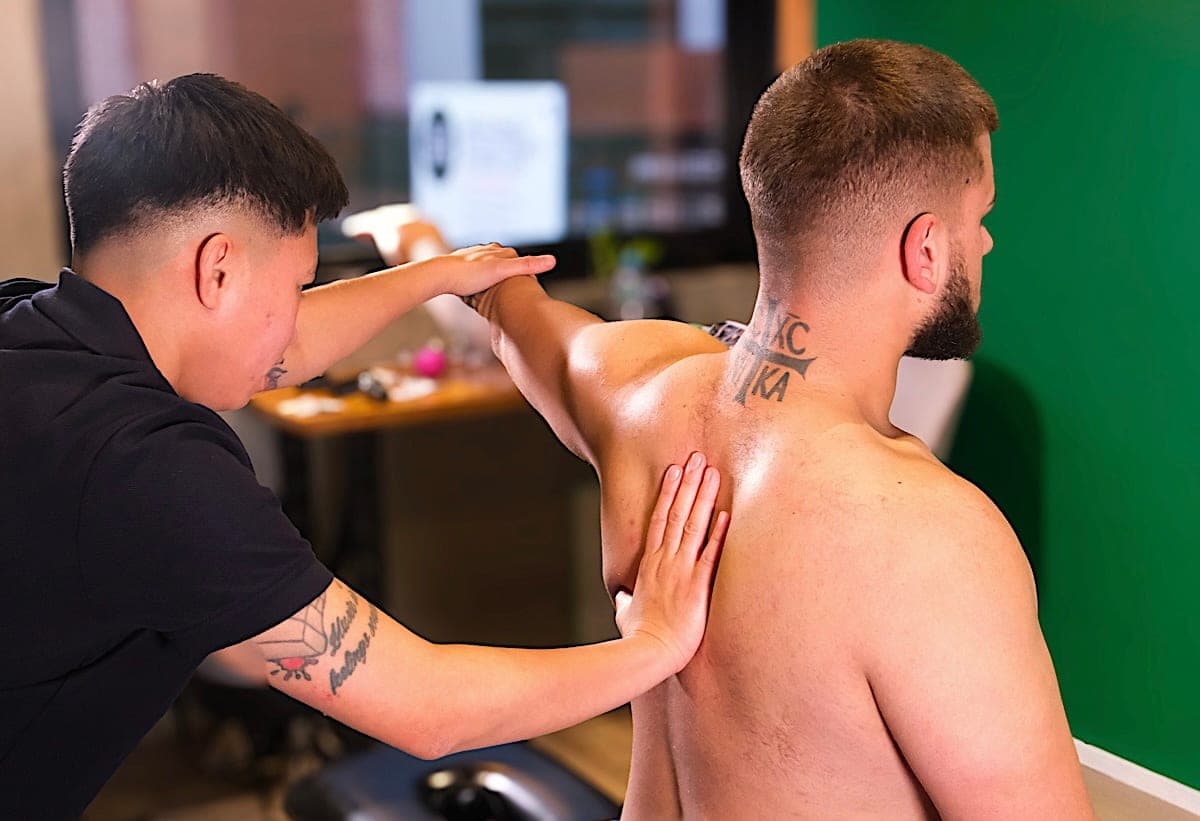
We talk it through
A detailed health and injury history covering what hurts, how long it has been there, previous injuries, your work demands and training history, and what you need to get back to.


With over 10 years of clinical experience, Mary Ann has worked across multidisciplinary clinics and sporting environments, including AFL and basketball. Throughout her career, she has worked with people from all walks of life, from office workers and active individuals to recreational and competitive athletes. She treats a diverse range of acute and chronic musculoskeletal presentations, sporting and work-related injuries, mobility restrictions and functional limitations, as well as pain and discomfort associated with repetitive activities, prolonged postures and the physical demands of everyday life.
Inspired by a strong interest in how the body moves, functions and adapts, Mary Ann considers symptoms, posture, movement patterns, range of motion, physical demands and relevant contributing factors to develop a clear understanding of each patient's presentation. Assessment findings and clinical reasoning are then used to guide an individualised treatment plan, with a strong focus on reducing pain and discomfort, improving movement and function, and achieving measurable clinical improvement.
Outside the clinic, Mary Ann enjoys chasing sunsets, playing basketball and guitar, stargazing, and capturing landscapes and the night sky through photography.
In 2018, I tore my anterior cruciate ligament (ACL) while playing basketball. I was initially misdiagnosed, and although I knew something wasn't right, I didn't feel fully heard or understood. I remember leaving appointments frustrated, uncertain and still searching for answers.
Working in the field myself, I was able to clearly describe my symptoms and communicate what I was experiencing using clinical terminology. Yet I still found myself returning for multiple appointments and eventually requiring further investigation and imaging before I had clarity around my injury.
That experience has stayed with me and strongly shaped the way I practise today. It taught me just how important it is to truly listen to the person in front of you.
Good care begins with listening. Pain and injury are not just about where something hurts. They can affect how you move, work, train and live your everyday life. I understand how frustrating it can be when you know something isn't right but feel that what you're experiencing is not being fully recognised.
This experience continues to guide the way I care for my patients. I want every person who walks through my door to know that their concerns matter and that the time will be taken to understand what they are experiencing.
This is why I take the time to listen, assess thoroughly and look beyond the immediate area of pain. I want to understand your symptoms, movement patterns, lifestyle, physical demands and goals to identify factors that may be contributing to your pain and develop a treatment approach specific to you.
I believe effective treatment begins with recognising that every person and every presentation is different. Each session is guided by your individual needs, clinical findings and goals, with a focus on reducing pain and discomfort, addressing contributing factors, restoring movement and function, supporting recovery and improving your overall physical capacity.
For anyone who has ever felt unheard, overlooked or uncertain about their pain, I want your experience to be different. I want you to feel listened to, understood and confident that your concerns are being taken seriously, with genuine thought, care and intention behind your treatment.
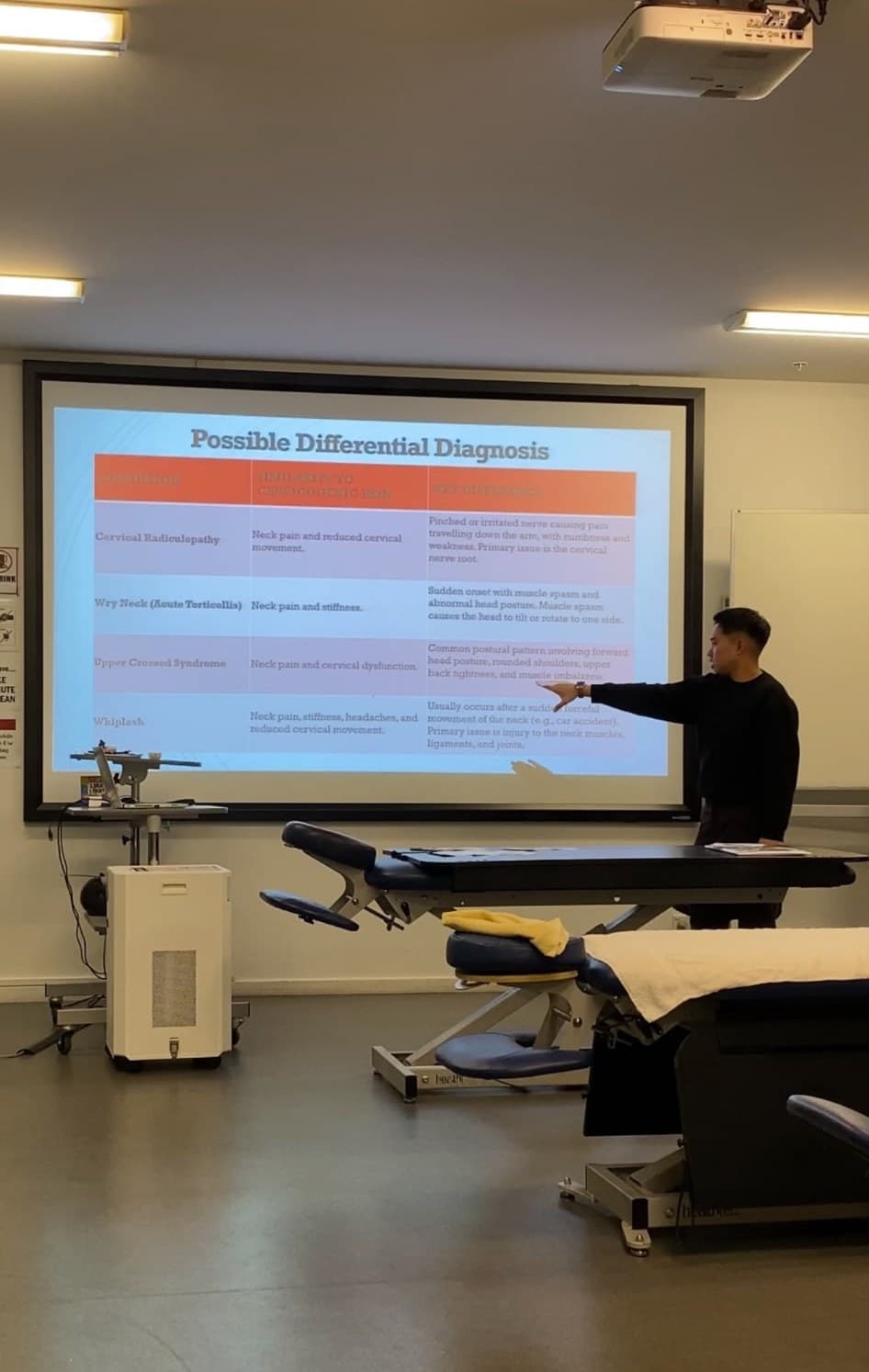
I take pride in being thorough in the way I assess and treat, using clinical reasoning and careful assessment to understand each patient's presentation and the factors that may be contributing to their symptoms.
To uphold this standard, I remain committed to ongoing professional development through advanced education, clinical training and hands-on workshops. Continually expanding my knowledge, strengthening my clinical reasoning and refining my practical skills allow me to conduct thorough assessments, identify relevant contributing factors and develop individualised treatment strategies based on each patient's clinical presentation, needs and goals.
For me, ongoing learning is a professional commitment to continually refining my clinical practice and providing a high standard of patient-centred care to every person who places their trust in me.
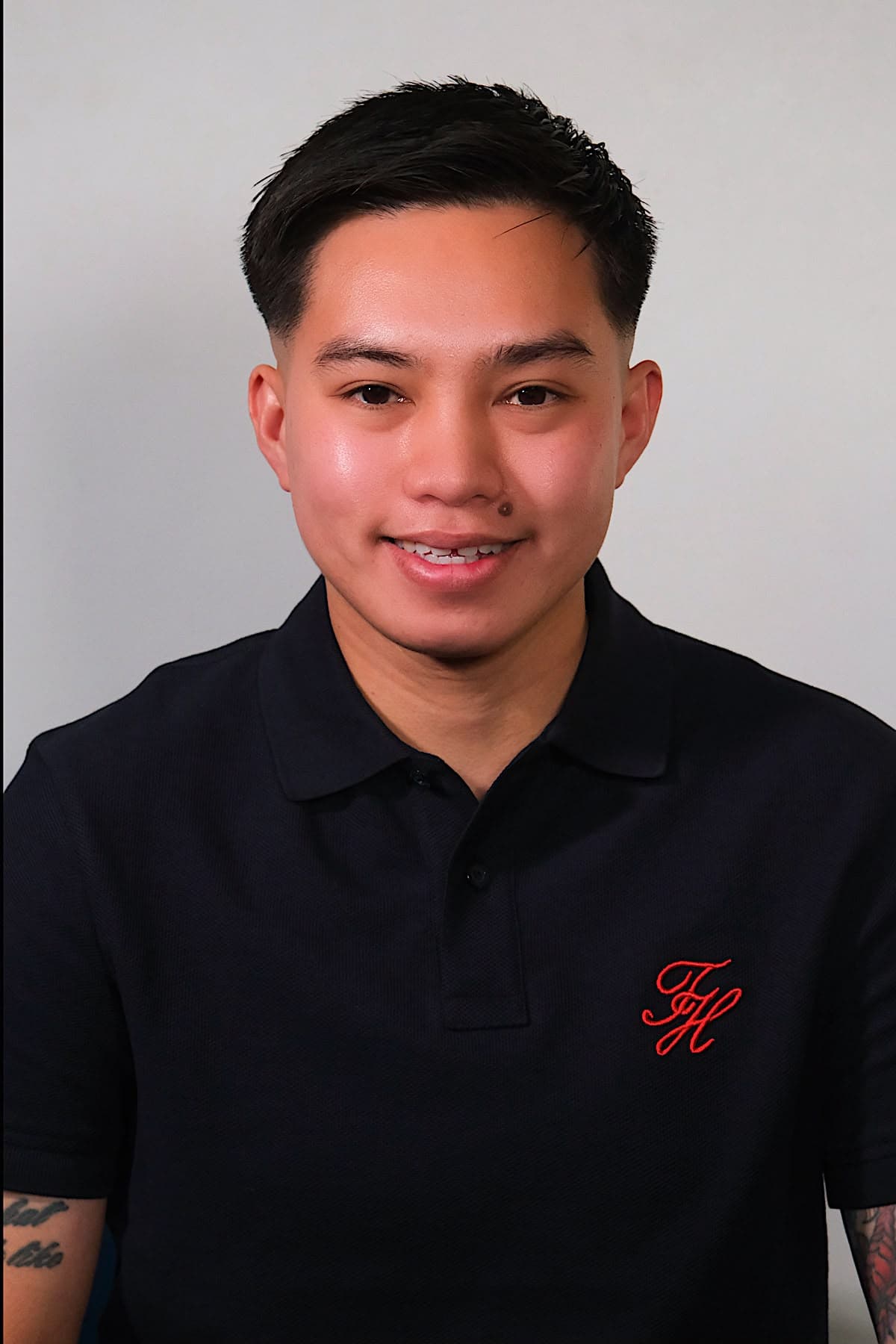
I'm a member of Massage & Myotherapy Australia (MMA), and I keep studying.
However you found your way here, the shape of a first appointment is the same.
A detailed health and injury history covering what hurts, how long it has been there, previous injuries, your work demands and training history, and what you need to get back to.
Movement and functional testing, postural assessment, gait analysis, palpation, muscle testing and relevant orthopaedic testing, with neurological screening where it's appropriate.
Only once I understand your presentation do I determine which techniques are most appropriate for you. These may include myofascial release techniques, trigger point therapy, dry needling, cupping, PNF stretching, kinesiology taping and joint mobilisation techniques.
You'll understand what was identified during your assessment, how it may relate to your concerns and what the next steps are. Your management plan will be designed to support your recovery, movement and function and may include corrective exercise, mobility work or movement retraining where appropriate.